Frequent nighttime urination (nocturia) in men over 40 is most often driven by an enlarging prostate, evening fluid habits, or incomplete bladder emptying, and several of those are improvable. The best-evidenced natural sequence: fix the free habits first (fluid timing, evening alcohol and caffeine), then consider the two nutrients with genuine trial data for urinary flow, beta-sitosterol and nettle root. Persistent or worsening symptoms need a doctor, not a supplement.
Why it happens (so you fix the right thing)
Waking to urinate more than once a night has three common drivers in men 40+: benign prostate enlargement (BPH) pressing on the urethra, weak stream, incomplete emptying, so the bladder refills and wakes you sooner; evening fluid, alcohol, or caffeine, all of which increase night urine production; and incomplete bladder emptying, where the bladder never fully drains and fills again quickly.
Step 1: The free habit changes (do these before buying anything)
- Stop fluids 2–3 hours before bed, and empty your bladder right before sleep.
- Cut evening alcohol and caffeine, both are diuretics and bladder irritants.
- If you have ankle swelling, elevate your legs in the evening, otherwise that fluid redistributes and becomes urine at night.
These are first-line for a reason: they cost nothing, work within days for many men, and no supplement outperforms them as a starting point.
Step 2: The nutrients with real trial evidence
If habits alone don't get you there, exactly two supplement ingredients have meaningful controlled-trial support for urinary symptoms, and a couple of famous ones don't. Ranked by evidence:
- Beta-sitosterol, Evidence: STRONGEST. A Cochrane review pooling four randomized trials (519 men) found improved urinary symptom scores and peak flow without prostate shrinkage (PMID 10796740). The six-month Lancet trial: peak flow up from 9.9 to 15.2 mL/s versus placebo (PMID 7540705).
- Nettle root, Evidence: MODERATE. A 620-man, six-month placebo-controlled crossover study: 81% reported improved symptoms versus 16% on placebo (PMID 16635963).
- Pygeum, Evidence: SOME, smaller studies for BPH symptoms.
- Saw palmetto, Evidence: FAILED. No better than placebo in the two largest trials, STEP (PMID 16467543) and CAMUS at triple dose (PMID 21954478). Skip products that lead with it.
Step 3: If you want a combined formula
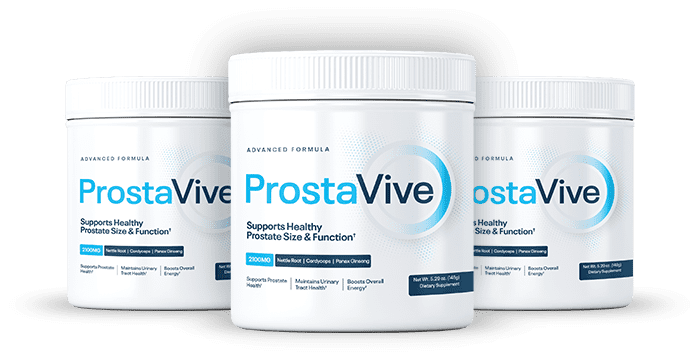
Rather than buying single herbs, some men prefer one formula that covers the evidenced ingredients. If you go that route, the checklist is simple: it must actually contain beta-sitosterol and nettle root (many 'prostate' products skip them for cheaper fillers), be transparent about doses, and carry a real money-back guarantee. One formula that fits those criteria is ProstaVive, a powder built around beta-sitosterol and nettle root with a 180-day guarantee. We broke down its full ingredient list, the real complaints, and its honest limitations in our evidence-based ProstaVive review.
When natural steps aren't enough
If symptoms persist after a few weeks of habit changes plus a 4–8 week nutrient trial, see a doctor. There are effective prescription options, and persistent nocturia is worth investigating properly, sleep apnea, blood sugar, and heart health can all play a role. A supplement is a support, not a diagnosis.
Frequently Asked Questions
Is waking up once a night to pee normal?
Once can be normal, especially after evening fluids. Waking two or more times, consistently, is nocturia and worth addressing, starting with the free habit changes, and with a doctor if it persists or worsens.
How long do natural changes take to work?
Habit changes (fluid timing, evening alcohol and caffeine) can help within days. Nutrient effects are slower: the beta-sitosterol and nettle root trials measured improvement over 6 weeks to 6 months of consistent daily use.
When should I see a doctor about nighttime urination?
Promptly if there's blood in urine, pain, fever, or sudden or fast-worsening symptoms. Also book an appointment if mild symptoms haven't improved after a few weeks of habit changes. There are effective medical options, and other causes are worth ruling out.
Does saw palmetto help with nighttime urination?
The best evidence says no. The two largest trials, STEP (NEJM 2006) and CAMUS (JAMA 2011, up to triple dose), found saw palmetto no better than placebo for urinary symptoms. Don't pick a supplement because of it.